

Precision, Access, and the Human Element
by Dr. Lekha Prasamy
Modern medical care is evolving rapidly, shaped by advances in technology, shifting patient expectations, and growing recognition that healthcare is not only a scientific system, but also a deeply human experience. Across hospitals and clinics, the latest medical care is no longer defined by a single breakthrough or device. Instead, it reflects the intersection of precision medicine, digital health, artificial intelligence, and a renewed emphasis on patient-centered care. Medicine today is becoming more personalized, more data-driven, and more interconnected than ever before. Yet alongside this progress comes a growing awareness that innovation alone does not necessarily resolve the structural and ethical tensions within healthcare systems.
One of the most transformative developments in recent years has been the rise of precision medicine. Traditionally, diseases were treated according to generalized protocols designed around broad patient populations. Precision medicine attempts to move beyond this model by tailoring treatment to an individual’s genetic profile, molecular markers, environment, and lifestyle. In oncology, for example, therapies are increasingly selected based on specific tumor mutations rather than solely the location of the cancer itself. Patients with non-small cell lung cancer may receive targeted EGFR inhibitors if genetic testing identifies the relevant mutation, significantly improving treatment response compared to conventional chemotherapy alone.
Similar approaches are emerging in cardiology, neurology, and rare disease management, where genomic sequencing can identify inherited conditions earlier and guide preventive interventions. However, the benefits of precision medicine remain unevenly distributed. Advanced genomic testing, personalized therapies, and targeted biologics are often expensive and concentrated within well-funded healthcare systems. As a result, the expansion of personalized medicine has also intensified conversations about healthcare inequality. The ability to receive individualized treatment is frequently shaped not only by medical need, but also by geography, insurance coverage, institutional resources, and socioeconomic status.
At the same time, digital health technologies have fundamentally changed how care is delivered. Telemedicine, once viewed primarily as a convenience, became central during the COVID-19 pandemic and has remained integrated into many healthcare systems afterward. Patients can now attend virtual consultations, receive remote monitoring for chronic diseases, and access healthcare services without physically entering a clinic. Wearable devices capable of monitoring heart rhythm, sleep, blood oxygen levels, and glucose trends have further expanded the ability to track health continuously outside traditional medical settings.
For patients in rural or underserved areas, these technologies can significantly improve access to care. A patient living hours away from a specialist may now attend follow-up appointments remotely rather than delaying treatment altogether. Remote cardiac monitoring systems can identify arrhythmias earlier, while continuous glucose monitors have transformed diabetes management for many individuals.
Yet digital medicine also introduces new complexities. Access to virtual healthcare depends on stable internet access, technological literacy, and familiarity with digital systems, resources that are not distributed equally. Elderly patients, low-income populations, and individuals with limited technological access may struggle to benefit from systems increasingly designed around digital infrastructure. In this sense, technology can simultaneously expand and deepen disparities depending on who is able to access it effectively.
Artificial intelligence has become another defining feature of modern healthcare. AI systems are now being used in radiology to identify subtle imaging abnormalities, in pathology to assist with cancer detection, and in predictive analytics to estimate disease progression or hospital readmission risk. Administrative applications have also expanded rapidly, including AI-generated clinical documentation and automated patient triage systems intended to reduce physician workload.
Some of these technologies have demonstrated remarkable efficiency. In certain settings, AI-assisted imaging systems can detect abnormalities such as diabetic retinopathy or early-stage cancers with accuracy approaching that of trained specialists. However, the integration of AI into medicine has also raised significant ethical and practical concerns. Algorithms are dependent on the quality and diversity of the data on which they are trained. If training datasets fail to adequately represent certain racial, ethnic, or socioeconomic populations, diagnostic bias can emerge within the system itself.
Questions of accountability also remain unresolved. When an AI-assisted recommendation contributes to a delayed diagnosis or inappropriate treatment, responsibility becomes difficult to define. Unlike traditional medical decision-making, algorithmic processes are often opaque even to the clinicians using them. As medicine becomes increasingly influenced by machine-learning systems, debates surrounding transparency, oversight, and patient trust continue to intensify.
Despite these technological advances, many healthcare professionals argue that one of the most important shifts in contemporary medicine is the renewed focus on patient-centered care. Over the past decade, there has been increasing recognition that clinical data alone cannot fully capture the experience of illness. Narrative medicine, shared decision-making, trauma-informed care, and communication training have gained greater prominence within medical education and hospital systems.
This shift reflects an understanding that patients experience illness not only biologically, but emotionally, socially, and psychologically. A diagnosis may appear straightforward clinically while carrying profound implications for identity, family dynamics, employment, mental health, and quality of life. Two patients with identical laboratory results may experience their illness in entirely different ways depending on culture, financial stability, social support, or prior interactions with healthcare systems.
At the same time, tensions persist between technological efficiency and relational care. Modern healthcare systems increasingly prioritize productivity, documentation, and measurable outcomes. Physicians often spend substantial portions of clinical encounters interacting with electronic medical records rather than directly engaging with patients. Many clinicians report that although diagnostic tools and treatment options have improved dramatically, the time available for listening and relationship-building has not expanded alongside them.
The growing use of AI-generated documentation and ambient listening systems illustrates this tension clearly. While such technologies may reduce administrative burden, critics worry that patient narratives could gradually become compressed into algorithmically optimized summaries, reducing complex human experiences into structured data points. Medicine risks becoming more technologically sophisticated while simultaneously more emotionally fragmented.
Global health disparities further complicate the landscape of modern care. While some healthcare systems offer robotic surgery, gene-editing therapies, and advanced immunotherapies, other regions continue to struggle with shortages of basic medications, primary care access, clean water, and maternal healthcare infrastructure. The gap between what medicine is capable of achieving and what patients can realistically access remains one of the central ethical challenges of the twenty-first century.
The COVID-19 pandemic exposed these inequalities with particular clarity. Wealthier nations secured vaccines rapidly while many lower-income countries experienced prolonged shortages. Similarly, advanced AI systems and genomic medicine continue to emerge primarily within resource-rich healthcare systems, raising concerns that future medical innovation may widen existing global inequities rather than reduce them.
Ultimately, modern medical care reflects both extraordinary progress and persistent imbalance. Medicine today is more precise, more technologically integrated, and more scientifically advanced than at any previous point in history. Yet it continues to confront fundamental questions about access, trust, equity, and human connection.
The future of healthcare will likely depend not only on scientific innovation, but also on whether healthcare systems can preserve empathy within increasingly technological environments. Advances in medicine may continue to transform how diseases are diagnosed and treated, but the challenge of understanding patients as people rather than datasets remains unresolved. In that sense, the future of medicine may depend as much on listening as it does on discovery.
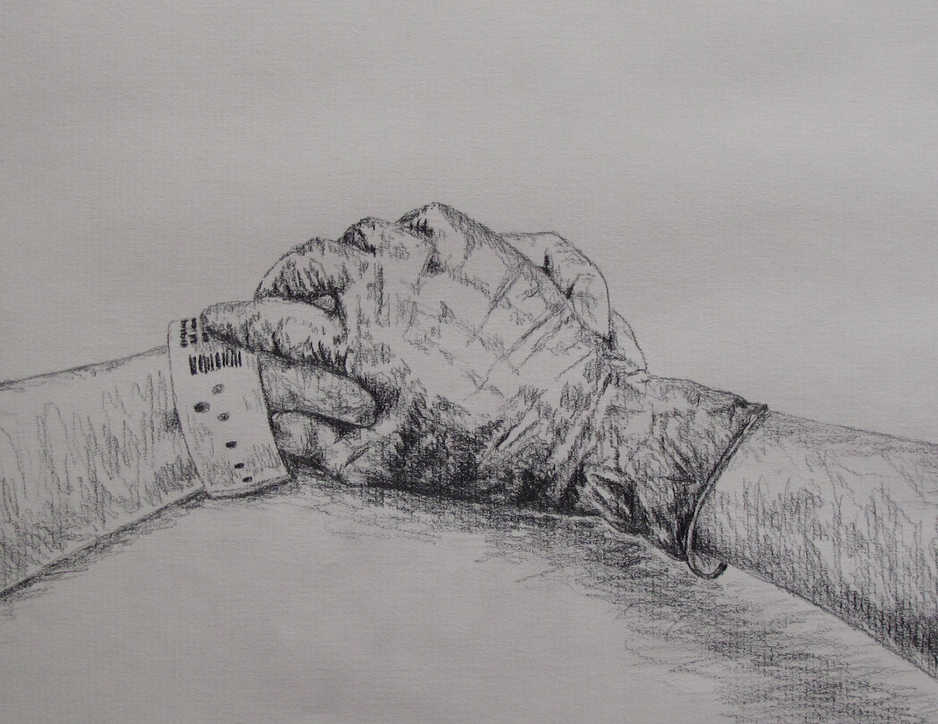
Art by Medical Student Research Journal Submissions
About the Author
Dr. Prasamy is a postdoctoral fellow with a PhD in the biomedical sciences based at the National University of Singapore (NUS). Her work focuses on interdisciplinary biomedical research and translational approaches to improving healthcare outcomes.